-
Solutions

Timesheets Management
Stop leaving money on the table. Procxo's AI integrated time tracking operates in the background.
Project Management
Procxo connects all the work your team does with the money your firm makes. Manage your deadlines, assignments, and budgets.
Invoice Management
Turn days of manual reconciliation into a single click. Procxo works in the background to automatically.
Contract Lifecycle Management
Accelerate negotiations, govern service level agreements (SLAs), and execute agreements flawlessly. Procxo unifies drafting.
-
Resources
Blogs
Read our latest insights, articles, and updates. Stay informed with industry trends and perspectives.
Case Studies
Explore real examples of our work and impact. See how we solve complex challenges.
Why Procxo
Built to streamline projects, billing, and financial workflows. Helping service professionals work smarter and grow faster.
FAQs
Browse answers to frequently asked questions. Find clear information about our services and processes.


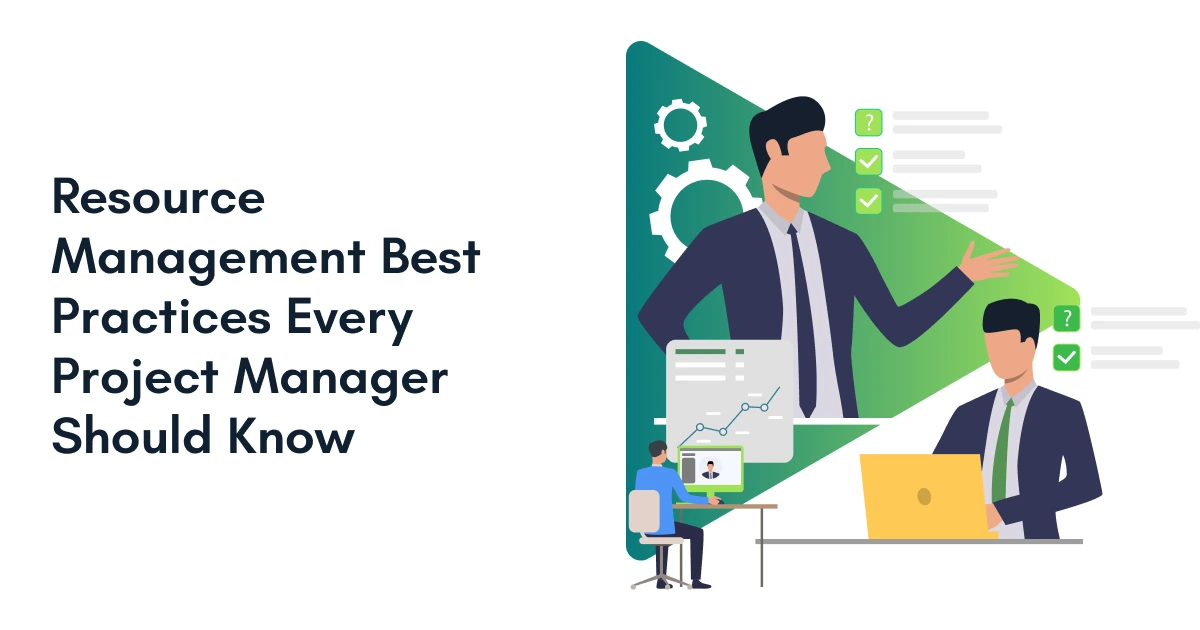
It’s a misconception that projects fail because of a lack of ideas. They fail because the right people are unavailable at the right time. A project may have enough budget, clear objectives, and stakeholder support. Yet deadlines are missed, and teams feel overloaded. Consequently, costs rise because productivity drops. In many cases, the root cause of all of these is poor resource management.
For project managers, balancing workloads, project timelines, budgets, and team availability, all at the same time is never easy. Modern workplaces face changing priorities, hybrid teams, skill shortages, and growing client expectations. Without a clear strategy, resources quickly become stretched, underutilized, or misaligned. In such scenarios, resource management becomes non-negotiable for organizations.
It helps organizations assign the right talent to the right project at the right time. It also improves decision-making, reduces operational waste, and drives better project outcomes.
In this guide, we will explore the best practices for resource planning that every project manager should be aware of. We will also look at common challenges, practical solutions, and how platforms like Procxo help organizations create a more connected project ecosystem.
Key Takeaways
- Resource management improves project delivery, utilization, and team productivity.
- Effective resource planning helps avoid obstacles and missed deadlines.
- Smart resource allocation ensures the right people work on the right tasks.
- Strong workforce management prevents burnout and improves engagement.
- Real-time visibility helps managers make faster and more accurate decisions.
- Integrated platforms like Procxo simplify project tracking, timesheets, contracts, invoices, and resource utilization.
Why Is Resource Management So Important for Project Success?
Resource Management is the process of planning, scheduling, allocating, and monitoring company resources to meet project goals efficiently. It ensures teams have the skills, capacity, and support needed to deliver projects on time and within budget.
If resource management is done properly, it reduces delays, prevents burnout, and increases overall profitability. More importantly, it gives project managers complete visibility into who is working on what tasks and whether additional support is needed.
As organizations grow, manual tracking methods often become difficult to manage. That’s why modern teams need structured systems and processes. Here are a few factors why resource planning and workforce management are crucial for organizations.

Understand Resource Availability
Project managers need a clear view of team capacity before assigning tasks to their teams. Without visibility, project managers can often distribute tasks unevenly which results in uneven workloads among team members and affected project timelines. In situations like this, a resource calendar helps identify availability, vacations, and competing priorities. With resource management, you can:
- Maintain a centralized resource database: You can keep skills, schedules, and project assignments visible in one place.
- Conduct regular capacity reviews: You can review team availability weekly to catch issues before they grow.
- Monitor utilization rates: You can track workloads to prevent underuse or employee burnout.
Identify Skill Gaps Early
Some projects often require specialized skills. Hence, knowing team capabilities beforehand prevents last-minute staffing issues. Early visibility supports better hiring, training, or reallocation decisions.
Align Resources With Business Goals
Resources should support strategic priorities. High-value projects deserve the strongest talent and attention. This alignment improves project ROI and organizational performance. With proper resource allocation, you can:
- Prioritize strategic initiatives: You can allocate resources based on business impact rather than urgency alone.
The foundation of successful projects starts with visibility. Once visibility improves, the next challenge that comes is effective resource planning.
How Can Project Managers Improve Resource Planning?
Resource planning involves forecasting the need for future resources. Resource management software for project teams ensures that the required people, skills, and budgets are available before project execution begins. Strong resource planning reduces last-minute changes and improves project predictability.
We have learnt that many project managers struggle because planning happens too late. The earlier planning begins, the easier it becomes to avoid conflicts and delays. So, let’s see how organizations can effectively execute resource allocation.
Forecast Demand Accurately
Historical project data offers valuable insights. Patterns from previous projects help predict future talent requirements. Accurate forecasting improves scheduling and capacity management. Common steps to follow:
- Use project forecasting tools: Data-driven forecasts improve planning accuracy.
Build Flexible Resource Plans
Projects rarely follow the original timeline perfectly. Flexible plans allow managers to respond to changing priorities. This adaptability keeps projects moving despite unexpected challenges. Common steps to follow:
- Create backup resource plans: Alternative options reduce project risk during staffing shortages.
- Track future capacity: Know upcoming availability before project demand increases.
Collaborate Across Departments
Resources are often shared across teams. Regular coordination amongst teams reduces scheduling conflicts. Cross-functional planning further creates realistic project timelines. Common steps to follow:
- Review plans monthly: Frequent reviews within and across teams help managers adapt to business changes.
Once a solid plan is established, the next step is ensuring resources are assigned efficiently and fairly.
How Do You Optimize Resource Allocation Without Overloading Teams?
Effective resource allocation balances efficiency with employee wellbeing. Poor allocation creates two common problems. Some employees become overwhelmed, while others remain underutilized. The ultimate goal of resource allocation should be balance. Let’s see how you can execute it.
Match Skills to Tasks
Not every employee is right for every assignment. Skill-based allocation improves quality and productivity. It also reduces rework and project delays. For proper resource allocation, you should:
- Assign work based on expertise: Skills-based assignments improve outcomes.
Balance Workloads Consistently
High-performing employees often receive more work. While this seems efficient, it can lead to burnout. Balanced distribution improves long-term performance.
- Avoid overallocation: Monitor utilization levels regularly.
Use Real-Time Data
Resource needs change quickly. Real-time dashboards provide current workload insights. Managers can make adjustments before performance suffers.
- Reallocate resources proactively: Move resources before bottlenecks develop.
- Use data-driven decisions: Real-time visibility reduces decisions taken on assumptions.
That being said, allocation is only one piece of the puzzle. Sustained project success depends on managing people effectively over time.
How Can Workforce Management Improve Team Performance?
Workforce management focuses on optimizing employee productivity, engagement, schedules, and performance. Effective workforce management ensures teams remain productive without becoming overwhelmed. Let’s see how resource management software for project teams contributes to workforce management.
- Encourage continuous skill development: Future projects require evolving capabilities. Hence, upskilling helps organizations stay agile. It also improves internal resource availability.
- Monitor employee capacity: Identifying workload issues early avoids last minute emergencies.
- Encourage regular communication: Teams perform better when communication is transparent, and expectations are clear.
- Invest in employee training: Strong skills and upskilling improve project execution.
- Use integrated timesheet systems: Better visibility supports smarter decisions in resource planning.
Now, this is where technology starts playing a larger role. Modern organizations need connected systems to manage growing complexity efficiently.

What Tools and Strategies Help Modern Resource Management Succeed?
The best resource management strategies combine strong processes with integrated technology. Spreadsheets may work for smaller teams. However, growing organizations need deeper insights and automation. That is where integrated platforms make a difference. Let’s see the critical tools used in resource management.
- Centralize resource data: Fragmented information creates confusion. Centralized systems give project managers a single source of truth. As a result, decision-making becomes faster and more accurate.
- Automate administrative tasks: Manual processes consume valuable time. Automation reduces repetitive work and errors. Teams can focus on higher-value activities.
- Connect project and financial data: Project performance impacts financial outcomes. Integrated systems help organizations track both. This improves visibility and compliance.
Organizations looking to modernize their operations often benefit from platforms that connect project management, contracts, invoicing, and timesheet tracking into a single ecosystem.
Resource Management: Traditional vs Modern Approach
| Area | Traditional Approach | Modern Approach |
| Resource Visibility | Spreadsheets and manual updates | Real-time dashboards |
| Resource Planning | Static forecasting | Dynamic forecasting |
| Resource Allocation | Manual assignments | Data-driven assignments |
| Workforce Management | Limited tracking | Integrated visibility |
| Reporting | Delayed reporting | Real-time analytics |
| Collaboration | Disconnected systems | Unified platforms |
| Decision-Making | Reactive | Proactive |
| Scalability | Difficult | Highly scalable |
According to the Project Management Institute (PMI), organizations that invest in mature resource management and project management practices consistently achieve higher project success rates and better business performance outcomes.
Source: Project Management Institute (PMI)
Conclusion
Every project manager understands the pressure of tight deadlines, limited budgets, and increasing stakeholder expectations. Yet many project challenges can be traced back to one issue. Yes, I’m talking about poor resource management. The good news is that improvement does not require a complete transformation overnight.
With Procxo, businesses can align operations through integrated project workflows, intelligent automation, and real-time visibility. By connecting existing enterprise systems, Procxo helps eliminate data silos, improve accuracy, and create a more efficient procurement and project environment.
For businesses seeking a connected approach, Procxo provides the visibility, automation, and integration needed to build a more intelligent project and procurement ecosystem.
FAQs
Resource Management is the process of planning, scheduling, allocating, and monitoring resources such as employees, budgets, and tools to ensure successful project completion.
Resource planning helps organizations forecast future needs, avoid resource shortages, and ensure projects have the right skills and capacity available.
Yes. Resource allocation is the process of assigning available resources to specific tasks based on project priorities, employee skills, and workload capacity.
Workforce management improves productivity, balances workloads, reduces burnout, and ensures employees are utilized effectively across projects.
Resource management software for project teams provides real-time visibility, forecasting, utilization tracking, reporting, and collaboration capabilities that improve project performance.
Procxo integrates project management, timesheets, invoices, and contract management into a unified ecosystem, giving organizations better visibility, accuracy, compliance, and operational efficiency.

Latest Blogs

16th September, 2026